Shop Premium Ammunition for Sale at Competitive Prices
Ammunition for sale is your direct ticket to range time, hunting trips, or just reliable home defense—no fluff, just rounds ready to go. You pick your caliber, load your mag or chamber, and let the mechanics of primer, powder, and projectile do the heavy lifting. Whether you’re punching paper or dropping game, fresh ammo gives you consistent velocity and tight groups shot after shot. Just store it dry and cool, and it’ll stay hot for years whenever you need it.
How to Match the Right Cartridge to Your Firearm’s Purpose
Before you browse ammunition for sale, define the job your rifle or handgun must do. For close-quarters defense, a short barrel favors a fast-burning powder and a heavier, expanding bullet like 9mm or .45 ACP, prioritizing stopping power over velocity. For varmint hunting at long range, match a specialty sports & supply flat-shooting, lightweight round such as .223 Remington or .22-250 to your twist rate, ensuring stabilization for tight groups. A big-game cartridge like .30-06 or 6.5 Creedmoor needs enough retained energy at 300 yards, so verify your barrel length and action strength can handle the pressure. Always cross-check the box’s ballistic data against your barrel length—a 16-inch tube loses 100–200 fps compared to a 20-inch. Buying the right cartridge means reading your firearm’s stamped caliber and intended use, not grabbing the cheapest shelf option.
Understanding Caliber vs. Gauge: What Those Numbers Really Mean
Understanding caliber vs. gauge starts with recognizing that caliber measures bullet diameter in inches or millimeters (e.g., .308, 9mm), while gauge applies only to shotguns, derived from the number of lead balls of that diameter equaling one pound (12 gauge = 1/12 lb). When buying ammunition for sale, this distinction prevents costly mismatches: a .357 Magnum chamber can fire .38 Special, but a .380 ACP will not fit a 9mm Luger. For shotguns, never interchange 20-gauge 7.62×51 Ammo for Sale with 12-gauge shells. Check your barrel stamp before purchasing. Follow this sequence: 1) Identify your firearm’s exact designation. 2) Match the cartridge’s caliber or gauge precisely. 3) Verify the load length (e.g., 2¾-inch vs. 3-inch).
Matching Bullet Weight to Your Shooting Goals
When you’re browsing ammunition for sale, bullet weight is your first real decision. Lighter bullets, like 55-grain in .223, shoot flat and fast—perfect for varmints or casual plinking where recoil matters little. Heavier options, such as 77-grain, hold energy better at distance, so they shine for precision target work or hunting thicker-skinned game. Think about your goal: if it’s punching 7mm PRC Ammo for Sale paper at 100 yards, a mid-weight bullet keeps costs down and barrels cool. If you’re stalking deer, step up to a heavier, controlled-expansion round. Don’t overthink it—match the grain to the job, and your rifle will reward you with better accuracy and terminal performance.

Pick lighter for speed and range, heavier for knockdown power—always let your specific shooting goal dictate the bullet weight you .17 HMR Ammo for Sale buy.
Why Velocity and Energy Matter for Target vs. Defense Loads
For target loads, velocity and energy are secondary to consistency, as lower recoil and flatter trajectories allow shooters to focus on fundamentals without developing flinch patterns. In contrast, defense loads prioritize terminal performance: higher velocity ensures reliable bullet expansion and adequate penetration through barriers, while energy figures indicate the cartridge’s ability to transfer stopping power before over-penetration becomes a liability. A target load pushing a 115-grain bullet at 1,150 fps minimizes muzzle rise for rapid follow-ups, but a defense load at 1,250 fps with expanding projectiles maximizes tissue disruption. Mismatching these priorities—using hot defense ammo for practice—accelerates fatigue and erodes accuracy, while using target rounds for protection risks under-penetration or failure to expand.
Velocity and energy dictate whether a load delivers precision on paper or controlled, effective stopping force in a threat scenario.
What’s Inside the Box: Decoding Packaging Labels for Better Buys
The box label is your primary map to matching ammunition to your firearm, revealing more than just caliber. Check the stated bullet weight and velocity, as these directly affect recoil and trajectory. The bullet type—like jacketed hollow point versus full metal jacket—dictates expansion and penetration, critical for self-defense versus target practice. Look for the cartridge’s specific pressure rating, often denoted as +P, which warns of increased stress on your gun. Also, note the primer type; some rifles require magnum primers for reliable ignition in cold weather.
Always cross-reference the lot number on the label with your firearm’s manual to confirm correct chambering, not just the generic name.
Finally, the round count and sealed packaging tell you if the box is a bulk plinking buy or a premium defensive load for your carry piece.
Reading Grain Count, Bullet Type, and Casing Material at a Glance
The box’s label is your fastest ballistic cheat sheet, and decoding it starts with three key data points. The **grain count** (e.g., 115gr vs. 147gr) directly signals projectile weight—lighter grains yield higher velocity and flatter trajectories, while heavier grains offer deeper penetration and more felt recoil. Bullet type, whether full metal jacket, hollow point, or soft point, dictates terminal expansion and barrier performance. Casing material—brass, steel, or aluminum—affects reloadability and extraction reliability; brass is the premium choice, steel 7.62×39 Ammo for Sale is budget-friendly but may wear extractors, and aluminum is a light, single-use option. *A quick scan of these three specs lets you match the round to your firearm’s twist rate and intended use without opening a single box.*
Reading grain count, bullet type, and casing material at a glance turns a wall of identical boxes into 7.62x54R Ammo for Sale a targeted, informed purchase.

Q: What does a higher grain number mean for recoil?
A: A higher grain count means a heavier bullet, which generally produces more felt recoil and slower muzzle velocity, but better energy retention downrange.
Spotting Remanufactured vs. New Factory Rounds
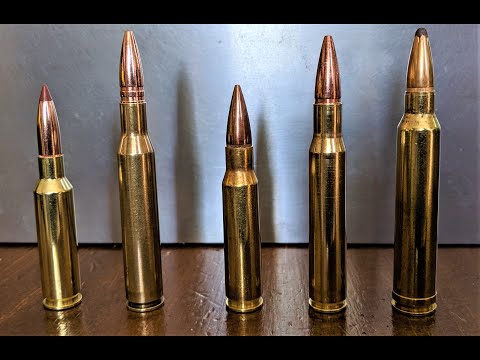
When scanning ammunition for sale, the quickest way to spot remanufactured rounds versus new factory loads is the headstamp clarity and case finish. New factory rounds feature crisp, deeply stamped headstamps and a uniform, polished or lacquered casing with no visible primer sealant residue. Remanufactured brass shows re-stamped marks, often lighter or slightly misaligned, plus 5.7x28mm Ammo for Sale faint dings, extractor grooves, or a dull, tumbled appearance. Check the primer pocket: new ammo has a snug, perfectly seated primer, while reloads frequently reveal a sunken primer or sealing compound bleeding around the edge. Trust only markings like “new” or a manufacturer’s fresh lot code, and avoid “once-fired” or “reloaded” wording, as **factory-new brass integrity** directly affects chamber pressure and accuracy. If the box lacks a specific load date or uses generic labels, treat it as remanufactured until proven otherwise.
Recognizing Lot Numbers for Consistent Performance
When buying ammunition, recognizing lot numbers is your key to consistent performance, as each box’s stamped code identifies a single production run. Components like primers, powder, and cases can vary slightly between batches, so a different lot number means your point of impact may shift. To maintain accuracy, always purchase multiple boxes from the same lot by checking the number printed on the label or carton. Then, verify the code matches across every box before finalizing your purchase. Store those same-lot rounds together, and log the number in your range notebook for future reorders. This simple habit eliminates point-of-impact surprises and preserves your zero, making every shot predictable.
Practical Tips for Storing Your Purchased Rounds to Extend Shelf Life
When you buy ammunition for sale, immediately transfer rounds from flimsy retail boxes into airtight ammo cans with a desiccant pack. Never store loose rounds in bulk bins, as brass-to-brass contact wears the protective seal. Keep storage temperature consistently below 70°F; thermal cycling causes condensation that rusts primers. Add a silicone gel pack to absorb residual moisture. Store cans off concrete floors on a wooden shelf to prevent cold transfer. Rotate your stock by shooting the oldest rounds first, but avoid opening sealed cans repeatedly. If you buy in bulk, vacuum-seal smaller portions inside the main container. Always label each can with purchase date and lot number so you track aging. Inspect every six months for green verdigris on cases or dimpled primers, which signals failure. This practice preserves ignition reliability for decades.
Controlling Humidity and Temperature Where You Keep the Boxes
Controlling humidity and temperature where you keep the boxes is non-negotiable for preserving primer sensitivity and powder consistency. Maintain a steady climate between 60–70°F, as extreme heat accelerates propellant degradation, while freezing conditions invite condensation upon thawing. Keep relative humidity 5.56 Ammo for Sale below 50%—ideally 30–40%—using desiccant packs inside a sealed ammo can, and check them monthly for saturation. A sudden temperature swing matters more than a slow seasonal drift, because it forces moisture out of the air onto cold cartridge cases. Invest in a digital hygrometer for each storage area, and avoid basements or attics where both variables fluctuate wildly. This disciplined approach is your best defense against corrosion and misfires, keeping every round as reliable as the day you bought it.
Rotating Your Stock So Older Rounds Get Used First
When you buy ammunition for sale in bulk, rotating your stock so older rounds get used first prevents age-related issues like case corrosion or primer degradation from ever reaching your firearm. Adopt a strict first-in, first-out (FIFO) system: after each range session, pull from the bottom or back of your storage container, pushing new rounds to the front or top. Resist the habit of grabbing the shiny new box first, as this leaves older ammunition sitting indefinitely. Clearly date every batch with a permanent marker on the box or ammo can lid. If you store multiple calibers, dedicate a separate “use next” shelf for oldest lots, and never return unused rounds from your range bag to the front of your rotation. This cycle ensures consistent ballistics and reliability every time you shoot.
How to Spot Corrosion or Damage Before You Load Up
Before you head to the range, give each round a quick once-over to catch hidden threats. Inspect the cartridge case for signs of oxidation or pitting, especially around the primer pocket and case mouth, where green or white crust indicates active corrosion. Check the bullet’s seating depth—a round that sits too deep or wobbles may have suffered impact damage in storage. Run your thumb across the primer; if it feels raised or gritty, the compound may be compromised. *A dull, chalky finish on the brass is often a better warning than a shiny patina, which can be harmless tarnish.* Toss any round with a dented shoulder or bent rim immediately.
- Look for verdigris or white powder on the case—never polish it off and fire.
- Roll the cartridge on a flat surface; a visible wobble signals a bulged case.
- Shake gently—rattling powder means the propellant has degraded or the primer is loose.

Choosing Between Full Metal Jacket, Hollow Point, and Soft Point
Standing at the counter, the glass case beneath you holds the real question: choosing between full metal jacket, hollow point, .17 WSM Ammo for Sale and soft point for your next purchase. If you’re buying rounds purely for paper targets or competitive drills, full metal jacket gives you reliable feeding and lower cost—no expansion, just clean holes. But when you’re selecting ammunition for sale for defensive carry, hollow points are the honest choice; their controlled expansion stops threats without over-penetrating your walls. Soft points sit in the middle—they expand moderately, making them ideal for hunting thin-skinned game where you need a quick, humane kill. Your decision mirrors your purpose: FMJ for practice, hollow points for protection, soft points for the field. Look at the box, picture your scenario, and pick accordingly.
Penetration and Expansion Differences in Real-World Scenarios
In the real world, penetration and expansion differences dictate how each round behaves after leaving the barrel. A full metal jacket punches through drywall, auto glass, or thick clothing with minimal deformation, keeping its path straight—ideal if you worry about over-penetration in a home defense scenario where walls are thin. A hollow point, however, expands violently upon hitting soft tissue, dumping energy fast and stopping deep inside a threat, which drastically reduces the chance of hitting someone behind them. Soft points sit in between: they mushroom reliably through barriers like heavy denim but still retain enough weight to reach Ammo Cans & Storage for Sale vital organs on a large animal. Remember that gel tests don’t account for angled ribs or wet clothing, so your actual results may vary.
**Q: What happens when a hollow point hits a stud or plywood before a target?**
A: The expansion can clog with debris, causing it to act like a FMJ and penetrate deeper than expected—so pick your ammo based on the likely obstacles in your environment, not just the box label.
Selecting the Best Projectile for Range Practice Without Breaking the Bank
For range practice without breaking the bank, full metal jacket projectiles are the most cost-effective choice because their copper-wrapped lead core resists fouling and feeds reliably in nearly any firearm. Unlike hollow points or soft points, FMJ loads typically cost 20–40% less per box, letting you fire more rounds for the same budget. Their non-expanding design also reduces barrel wear and carbon buildup, extending cleaning intervals. Skip premium defensive loads for drills; instead, buy FMJ in bulk from discount ammunition retailers, comparing price per round rather than brand names. Reserve hollow points or soft points only for zeroing your carry optic, then return to FMJ for volume practice.
Balancing Stopping Power with Over-Penetration Risks for Home Defense
For home defense, balancing stopping power with over-penetration risks means prioritizing barrier-sensitive hollow points over full metal jacket loads. A quality jacketed hollow point expands reliably in gel, dumping energy rapidly to stop threats, while its controlled deformation reduces the chance of sailing through drywall and striking family members in adjacent rooms. Soft points offer a middle ground, but their penetration through interior walls can still be excessive. Never sacrifice reliable expansion for a marginal gain in magazine capacity, as a miss that exits your home is a liability you cannot recall.
Q: What bullet weight best balances stopping power with over-penetration risks for home defense?
A: Choose a 124-grain or 147-grain hollow point from a reputable defensive line—these expand consistently from short barrels but typically stop within 12–18 inches of ballistic gel, minimizing wall-pass risk without underpenetrating heavy clothing.
Buying in Bulk vs. Small Boxes: Getting More Value from Each Order
When you’re stocking up on ammunition for sale, grabbing bulk cases instead of small boxes usually saves you 10–20% per round, especially for calibers you shoot weekly. That said, a 500-round case of 9mm ties up cash and space, so unless you’re training hard, a couple of 50-round boxes might actually beat a bargain you’ll store for months. The real trick is matching bulk to your range routine—buy big for your primary defensive load, but stick to small boxes for calibers you’re just testing. Value isn’t just price per round; it’s how quickly you’ll burn through that brick before prices shift. Also, bulk packs often share the same lot, which means consistent accuracy, while mixed small boxes give you flavor variety without commitment. If you’re counting every dollar, compare shipping weight too—bulk might not be cheaper after hazmat fees.
When Per-Round Pricing Actually Saves You Money
Per-round pricing only saves you money when you actually shoot enough to justify the upfront cost of a bulk case. If you’re a weekend plinker burning through 200 rounds per session, buying 1,000-round cases at a lower cost-per-round is smart—you’ll use them before next season’s price hikes. But if you buy a case and only fire half of it over two years, that “savings” is locked in dead inventory. **Per-round pricing saves you money when your volume is consistent** and you have safe, dry storage. Otherwise, small boxes of 50 cost more per shot but let you match your spending to real demand, avoiding waste from moisture or changing firearm preferences. Q: When does per-round pricing actually save you money? A: Only when you regularly shoot enough to deplete a bulk purchase before storage conditions degrade your ammo’s reliability—so calculate your average monthly rounds first.
Testing a Small Batch Before Committing to a Case Lot
Before purchasing a full case lot, testing a small batch for firearm compatibility is a logical first step. A single box reveals how a specific load cycles in your magazine, feeds from your bolt, and seats in your chamber—factors a case quantity cannot influence. Verify that the bullet’s overall length and case rim profile suit your firearm without modification. Also, set aside test rounds from different production lots to check for subtle primer seating or powder charge variations that affect accuracy. If the small batch fails to group consistently or causes feed failures, a case lot multiplies that frustration. Measure velocity spread across ten rounds to confirm the lot’s stability before expanding your investment.
- Shoot 20–40 rounds to evaluate feeding, extraction, and ignition reliability.
- Check point-of-impact shift against your zero using the exact same lot number.
- Compare case mouth crimp and bullet seating depth against your preferred brass.
- Retain the test box’s lot code to match against any case shipment’s packaging.
Mixing Calibers in One Order? What to Check Before Checkout
Combining different calibers in one cart is a smart move, but it demands a sharp eye on **shipping and hazmat fees**, which often apply per package. Before checkout, verify your total weight, as heavy mixed orders can silently spike delivery costs. Confirm each caliber’s stock level and SKU to avoid a partial shipment that leaves you waiting on one box. Also, check your firearm’s chambering twice—mixing 5.56 and .223, or .38 Special and .357 Mag, is common but not interchangeable in every gun.
What’s the biggest risk when mixing calibers? The clear answer is a mismatch between your order and your magazines, causing a frustrating range-day pause. Always cross-reference each caliber with your specific firearm’s manual before hitting pay, and group similar cartridges to cut per-pound surcharges.












 Saving...