Welcome to the exciting world of Ice36, a modern platform that blends gaming excitement with user-friendly accessibility. Whether you’re a seasoned player or new to online casinos, Ice36 offers an exhilarating experience that promises both fun and rewards. Our guide will walk you through everything you need to know to make the most of your time on Ice36.
Why Choose Ice36 Casino?
When it comes to online gaming, choice is everything. Ice36 stands out for various reasons, appealing to both novice and experienced gamers alike. The platform provides a diverse selection of games, generous bonuses, and a safe gaming environment.
Diverse Gaming Portfolio
One of Ice36’s key strengths lies in its extensive repertoire of games. From classic slots to immersive live dealer experiences, you can find a game that suits your preferences. Each game boasts high-quality graphics and engaging soundtracks, creating an immersive gaming environment that’s hard to resist.
Bonus Structures and Free Spins
Bonuses are a vital part of the online casino experience, and Ice36 knows this well. Upon signing up, new players are greeted with attractive welcome bonuses that can boost their initial deposits. Additionally, regular promotions mean more Ice36 free spins, allowing players many chances to win big without risking their bankroll.
Security and Fair Play
Security is non-negotiable, and Ice36 implements top-tier security measures to protect personal and financial information. Fair play is also a priority, with all games undergoing rigorous testing to ensure fair outcomes. This commitment to security and fairness builds trust with players, ensuring a reliable and enjoyable gaming experience.
Getting Started with Ice36
Joining Ice36 is easy and straightforward, whether you prefer playing on your computer, tablet, or via the Ice36 app on your smartphone. Here’s a quick guide to getting started:
Registration and Ice36 Login
To begin your adventure, you’ll need to create an account. The registration process is quick and straightforward. Simply visit the Ice36 website, complete a brief form, and you’re set. Once registered, the Ice36 casino login takes seconds, giving you access to the full range of offerings.
Depositing Funds
After logging in, fund your account using a range of secure payment options. Ice36 supports multiple payment methods to cater to global players, ensuring easy deposits and withdrawals.
Navigating the Ice36 Interface
Ice36’s user interface is designed for simplicity and ease of navigation. Clear categories and intuitive menus mean you can find your favorite games or learn about current promotions quickly, allowing you to spend more time playing and less time searching.
Maximizing Your Gaming Experience on Ice36
Once you’re set up and familiar with the platform, here are some tips to enhance your gaming experience:
Explore Game Variety: Don’t stick to one game; explore different types to find the ones you enjoy the most.
Utilize Bonuses Wisely: Always read the terms of bonus offers and plan your usage to maximize potential winnings.
Set Limits: Responsible gambling is crucial. Set limits on your spending and playing time to ensure gaming remains fun and stress-free.
Stay Informed: Regularly check the Ice36 site for new promotions and tournaments to get the most out of your casino experience.
Final Thoughts and Recommendations
Ice36 stands as a beacon for excitement in the digital realm of online casinos. Its robust selection of games, rewarding bonuses, and dedication to player security make it a sought-after platform. As you embark on your Ice36 journey, remember to have fun and play responsibly. Enjoy the thrill and excitement of online gaming, knowing that Ice36 is designed to offer you the best in a safe and enjoyable environment.
If you’re looking for a dynamic casino experience filled with excitement and rewards, then look no further. Sign up today, claim your Ice36 bonuses, and dive into a world where every spin could be your chance to win big.
Updated 2018-08-21.
This is a mirror and update of the Carrara freebie DAZ3D forum thread, that was started when the old DAZ3D forum was deleted.
Now available here at CarraraCafe too.
The new Forum killed the old “Carrara Freepozitory” category, so here is the link to the old Forum Carrara specific free stuff and hopefully some new free stuff will show up as well: http://forumarchive.daz3d.com/viewforum.php?f=64
OFFLINE for a few years…
——————————————————————————————————————————-
EVERYTHING:
-CarraraCafe has it all, scenes, shaders, plugins and even a Carrara Magazine (the magazines come with bonus shaders/tuts…): https://carraracafe.com/downloads/
-Mark Bremmer has both free tutorials and a few freebies: OFFLINE 2018-02-25 (Not saved on disk, need to ask Mark Bremmer for copy or re-post.) http://www.markbremmer.com/3Bpages/darkarts.html
This is Part 2 of the Carrara-izing Blender article series. This time we will look into different possibilities for moving from Carrara to Blender and also common work methods between them, to make it easier to use them both. The first part was originally written by JoeMamma2000 in the DAZ3D forum and can be found here.
Common Render engines – Octane
One major common aspect of both Carrara and Blender, is the Octane plug-in by Otoy for both rendering and shaders (materials).
Octane is available in both a stand-alone version, but also has integrated plug-ins for both Blender and Carrara, making it easier to work in both apps.
While the integrated plug-in has a different user interface due to its heavy integration in Blender or Carrara, there are several common areas like materials, lighting, cameras and so on, that can be used the same way since the render engine is the same.
Octane comes with a high price tag and a big feature set, but you can start with the free demo version to check if you meet the hardware requirements.
Currently it needs an NVIDIA GPU, get a demo version here.
Common Render engines – Luxrender and LuxCore
Another common render engine and material database, is the free Luxrender application that includes a free Blender plugin, but need a low cost commercial plugin for Carrara, Luxus for Carrara at DAZ3D.com.
An advantage with Luxrender is that it has full support for CPU rendering (no specific GPU limits or limited VRAM) at the cost of longer render times, but it also is possible to render via GPU.
The upcoming Luxrender 2.0 has been delayed, but a project re-boot is started and work is ongoing to improve.
There is a beta version of the Carrara plugin LuxusCore, with the Luxrender 2.0 engine integrated, more info here.
The Blender manual for LuxCore is here.
Export from Carrara to Blender Cycles, script by mCasual
Started in 2015 october and last updated in 2017 November, the mcjBlendBotForCarrara script has been around for a long time.
The scripts speeds up the export from Carrara to Blender and the Cycles render engine (now supports both AMD and NVIDIA GPUs).
Get the download from here and also save the PDF files of the web site, since it includes several must-have tips to get it to work: https://sites.google.com/site/mcasualsdazscripts2/mcjblendbotspecial
Bforartists vs Blender
A complete stand-alone version of Blender with a more user-friendly interface, called Bforartists is available from here: https://www.bforartists.de/
Have not tried it myself yet, but it is a free download like Blender, so go ahead and try it yourself.
Some info from the Bforartists FAQ: Q: Why should i use Bforartists and not Blender? You should use Bforartists when you are not comfortable with Blender, but are with Bforartists. I have seen generations of new 3D artists fail at the Blender UI, but being fine with other 3D packages then. Q: What is the difference between Blender and Bforartists? First let me point out where it is equal. There is no difference in the features. The main difference lies in the UI and usability.
Blender’s usability philosophy is centered around hotkeys and speed.
Bforartists usability philosophy is centered around the graphical menu. With an intuitive and easy to learn workflow. Made from an artist for artists.
Emergir no mundo dos cassinos online pode ser uma experiência envolvente e cheia de adrenalina. O Rabbit Road Casino é um dos destinos online mais atrativos para jogadores que buscam novos desafios e recompensas. Com uma ampla gama de jogos, incluindo o popular Rabbit Road Slot, este cassino promete entretenimento de alta qualidade. Aqui você encontrará dicas e informações detalhadas para garantir que sua jornada no Rabbit Road seja proveitosa e segura.
Por que Escolher o Rabbit Road Casino?
Escolher um cassino online como o Rabbit Road Casino pode ser decisivo para a sua jornada de jogador. O Rabbit Road se destaca por seu compromisso com a segurança e por oferecer uma variedade de jogos que agradam desde os iniciantes até os mais experientes. Além disso, o design da plataforma é intuitivo, permitindo que mesmo quem não tem muita familiaridade com tecnologia consiga navegar sem dificuldades.
Outro aspecto importante é a transparência e a confiança que o casino inspira. Licenciado e regulado por autoridades respeitadas, o Rabbit Road garante que suas transações e dados pessoais estejam sempre protegidos. Essas características fazem com que jogadores regressem repetidamente, atraídos pela confiabilidade e pelo mundo de possibilidades que os espera.
Além disso, a oferta de jogos é um dos pontos mais fortes do Rabbit Road. De caça-níqueis, como o popular Rabbit Road Slot, a jogos de mesa clássicos, o cassino se esforça para manter seu portfólio atualizado com as últimas novidades do mercado.
Começando no Rabbit Road: Como Criar Sua Conta
O processo de registro no Rabbit Road Casino é simples e direto. Para começar, visite o site oficial e clique na opção de cadastro. Você será levado a um formulário onde precisará inserir informações básicas, como nome, email e senha. É fundamental fornecer dados verídicos para evitar complicações futuras, especialmente na hora de sacar seus ganhos.
Após preencher o formulário, um email de confirmação será enviado. Clique no link recebido para ativar sua conta. Com sua conta ativada, você poderá fazer seu primeiro depósito e explorar tudo o que o Rabbit Road tem a oferecer. Não se esqueça de conferir as promoções de boas-vindas que podem incluir bônus de depósito e giros grátis.
Se, por acaso, enfrentar problemas durante o registro, o suporte ao cliente do Rabbit Road está disponível para ajudá-lo. Use o chat ao vivo para resolver qualquer questão imediatamente.
Entendendo o Rabbit Road Slot
O Rabbit Road Slot é um dos jogos mais populares do cassino, e por boas razões. Este jogo de caça-níqueis combina gráficos impressionantes com uma jogabilidade fluida, proporcionando horas de entretenimento. O tema do jogo é encantador, oferecendo aos jogadores uma experiência visual única enquanto eles tentam sua sorte para alcançar o grande prêmio.
Para maximizar suas chances de ganhar no Rabbit Road Slot, é importante entender a tabela de pagamento do jogo. Conhecer os símbolos especiais e as linhas de pagamento pode ajudá-lo a traçar uma estratégia eficaz. Além disso, lembre-se de ajustar suas apostas conforme o seu saldo para prolongar o tempo de jogo e aumentar as chances de ativar rodadas bônus.
Independentemente do seu nível de experiência com caça-níqueis, o Rabbit Road Slot oferece emoção para todos os jogadores, garantindo uma experiência imersiva que se destaca no portfólio do Rabbit Road Casino.
Depósitos e Retiradas no Rabbit Road
O Rabbit Road Casino facilita transações financeiras para seus usuários com uma variedade de métodos de pagamento. Opções como cartões de crédito, carteiras eletrônicas e transferências bancárias locais estão disponíveis, permitindo depósitos e retiradas rápidas e seguras. Antes de fazer seu primeiro depósito, verifique os requisitos mínimos e as taxas associadas a cada método.
O processo de retirada no Rabbit Road é projetado para ser o mais simples possível. Depois de cumprir os requisitos de rolagem do bônus, você pode solicitar uma retirada acessando a seção “Caixa” do site. Esteja ciente de que o tempo de processamento pode variar dependendo do método escolhido, mas o suporte está sempre pronto para sanar dúvidas a qualquer momento.
Manter seus dados financeiros protegidos é uma prioridade no Rabbit Road. O cassino usa protocolos de segurança de última geração para garantir que todas as transações sejam criptografadas e seguras.
Segurança e Responsabilidade no Jogo
Jogar no Rabbit Road Casino é tanto uma questão de diversão quanto de segurança. O cassino adota medidas rigorosas para proteger seus jogadores contra fraudes e uso indevido de informações. Certificações SSL e auditórias regulares garantem que a plataforma está sempre segura para os usuários.
A segurança do jogador também envolve a promoção de práticas de jogo responsável. O Rabbit Road oferece ferramentas para autocontrole, permitindo estabelecer limites de depósito, controlar tempo de jogo e até mesmo optar por autoexclusão se necessário. Estar ciente dessas opções ajuda a manter sua experiência de jogo saudável e controlada.
Jogadores são encorajados a usar essas ferramentas e a manter contato com o suporte ao cliente para qualquer necessidade de aconselhamento ou assistência relacionada a práticas de apostas responsáveis.
Interface do Usuário e Experiência no Cassino
Quando se trata de interface e navegabilidade, o Rabbit Road Casino não decepciona. O layout do site é projetado para ser intuitivo e fácil de usar, permitindo que os jogadores se concentrem no que mais importa: o jogo. Todas as seções importantes, como jogos, promoções e suporte, são facilmente acessíveis.
A experiência no cassino é otimizada tanto para desktop quanto para dispositivos móveis. Isso significa que você pode acessar o Rabbit Road de onde quiser e ainda desfrutar da mesma qualidade gráfica e fluidez em seus jogos favoritos. Essa flexibilidade torna o cassino uma opção popular entre jogadores em movimento.
Promoções e Bônus do Rabbit Road Casino
O Rabbit Road Casino é conhecido por suas promoções atrativas e generosos bônus que deixam os jogadores animados para voltar. Desde o bônus de boas-vindas, que oferece correspondência de depósito e giros grátis, até promoções semanais e mensais que incluem torneios e recompensas exclusivas, há algo para todos.
É importante ler os termos e condições de cada promoção para aproveitar ao máximo os benefícios oferecidos. Atenção para os requisitos de apostas, que determinam quantas vezes você deve apostar seu bônus antes de poder sacá-lo.
Além disso, o programa de fidelidade do Rabbit Road recompensa os jogadores leais com pontos que podem ser trocados por dinheiro, giros grátis ou outros prêmios. Participe dessas promoções para melhorar sua experiência de jogo e suas chances de ganhar.
Suporte ao Cliente e Ajuda
O Rabbit Road Casino entende a importância de um suporte ao cliente eficiente e disponível. O serviço de atendimento é um dos pilares fundamentais do cassino, oferecendo assistência 24 horas por dia, 7 dias por semana, por meio de chat ao vivo, email e telefone.
Se surgir qualquer dúvida ou problema, o suporte é conhecido por sua rapidez e eficácia em fornecer soluções. Este nível de serviço é uma expressão do compromisso do Rabbit Road em oferecer uma experiência de jogo tranquila e sem complicações para seus usuários.
FAQs sobre o Rabbit Road Casino
1. O Rabbit Road Casino é seguro? Sim, o Rabbit Road Casino é seguro e utiliza tecnologia de criptografia avançada para proteger seus dados e transações.
2. Como começo a jogar no Rabbit Road? Você pode começar criando uma conta no site do Rabbit Road Casino e fazendo seu primeiro depósito.
3. Quais jogos estão disponíveis? O Rabbit Road Casino oferece uma variedade de jogos, incluindo o popular Rabbit Road Slot, além de jogos de mesa tradicionais.
4. Quais são os métodos de pagamento aceitos? O cassino aceita várias formas de pagamento, incluindo cartões de crédito, carteiras eletrônicas e transferências bancárias.
5. Existe um programa de fidelidade no Rabbit Road? Sim, o Rabbit Road oferece um programa de fidelidade que recompensa os jogadores com pontos para serem trocados por recompensas.
Prós e Contras do Rabbit Road Casino
Prós
Contras
Variedade ampla de jogos
Requisitos de apostas podem ser altos
Interface amigável
Tempo de processamento de retirada pode variar
Bônus e promoções atrativas
Disponibilidade limitada de certos métodos de pagamento
Conclusão
O Rabbit Road Casino se destaca como uma opção premium para jogadores que buscam uma experiência de jogo segura, divertida e recompensadora. Desde o fácil processo de registro até uma vasta seleção de jogos e suporte ao cliente eficiente, ele atende às mais altas expectativas. Seja um iniciante no mundo dos cassinos online ou um veterano em busca de novas aventuras, o Rabbit Road Casino oferece recursos capazes de tornar sua visita memorável.
Thanks to JoeMamma2000 for a detailed yet easy-to-follow guide on how to adapt Blender, for a Carrara user. Besides the basics like the Graphical-User-Interface differences and tips and tricks, there are detailed descriptions of the different features and methods. Original Forum post by JoeMamma2000 here: https://www.daz3d.com/forums/discussion/58735/ot-carrara-izing-blender/p1 Small modifications by 3drendero.
Changelog:
20180123: First release, based on forum thread
20180128: Final version, moving new info to a separate Part 2 article
Introduction
First I want to make a disclaimer: this thread is completely off topic, and is a discussion of other, non-Carrara software. I only post this because it relates to Carrara for those who might use other software like Blender together with Carrara for certain functions and features that Carrara might not have.
If you tend to dislike discussions of other software, especially if comparison to Carrara are mentioned, please stop reading this thread.
For others, I will try to make enough negative comments about Blender in this discussion so nobody feels like I’m saying Blender is the best software and Carrara isn’t. No software is perfect, and there’s no need to take offense at discussions of inanimate software. And no, I am not trying to “sell” Blender to anyone, just providing a service for those who might enjoy having another set of features at their disposal.
For those who are unfamiliar with Blender, it is a free and full-featured software that has some very well-implemented and high level features that aren’t available in Carrara. It provides an opportunity to integrate your Carrara character work with stuff like fluids and smoke and fire and a whole range of other “professional” features.
Now, on occasion someone here mentions Blender and how difficult the interface is compared to Carrara. I tend to agree, at least in certain areas. When a new, Carrara-based user opens Blender, IMO, it doesn’t respond intuitively in some very basic aspects.
However, you can do a lot to customize Blender, and with a few fairly simple steps make it more intuitive and Carrara-like. This thread is intended to give some ideas on some ways I have customized Blender to make it more intuitive…at least for me. Forgive me if I miss some stuff. I did a lot of this customization years ago, so I’m real rusty on what’s native Blender and what’s customized.
Basic Similarities
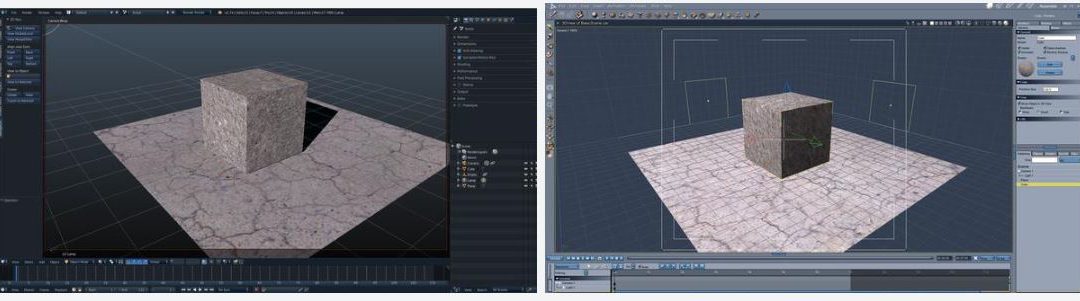
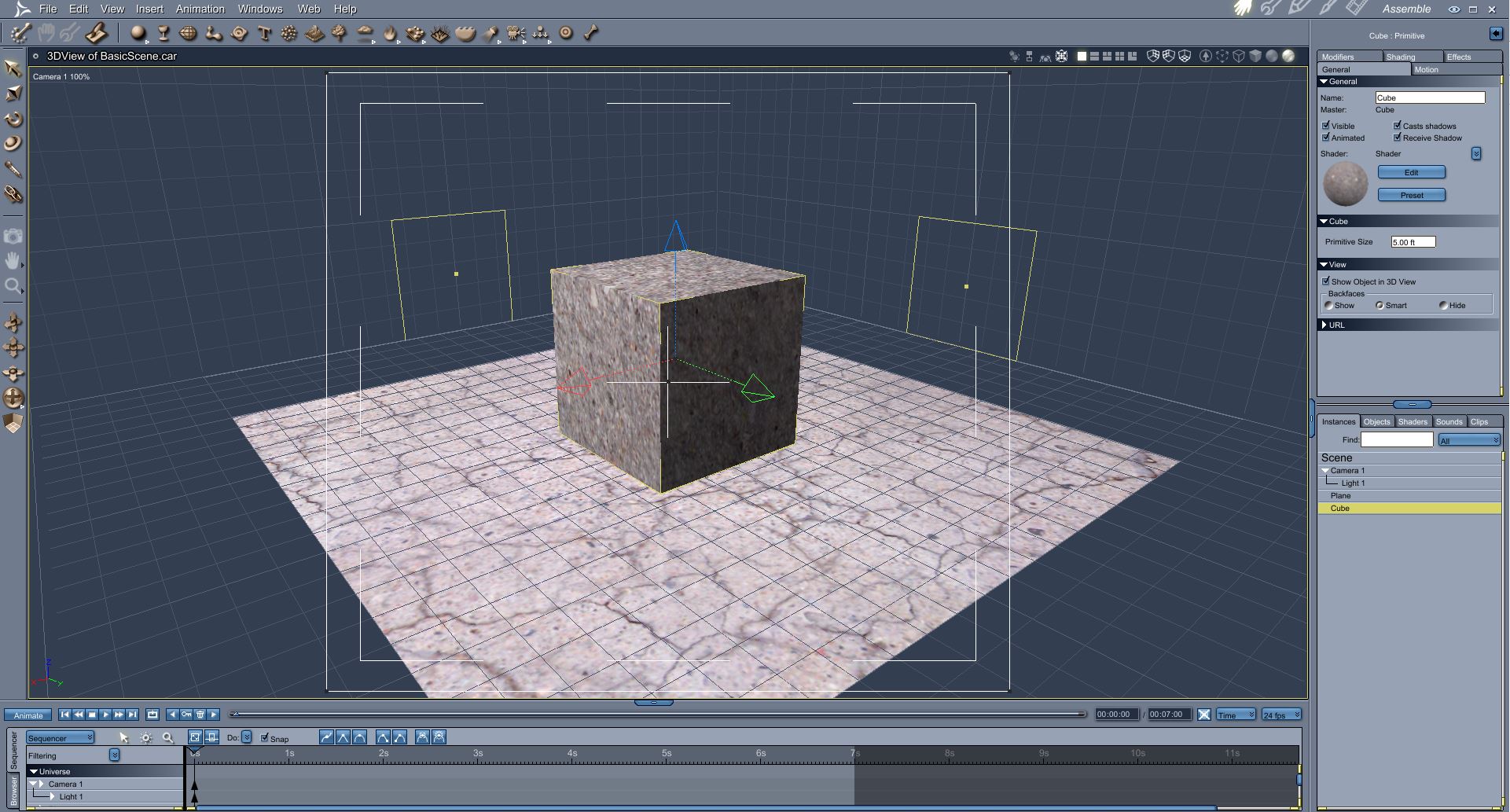
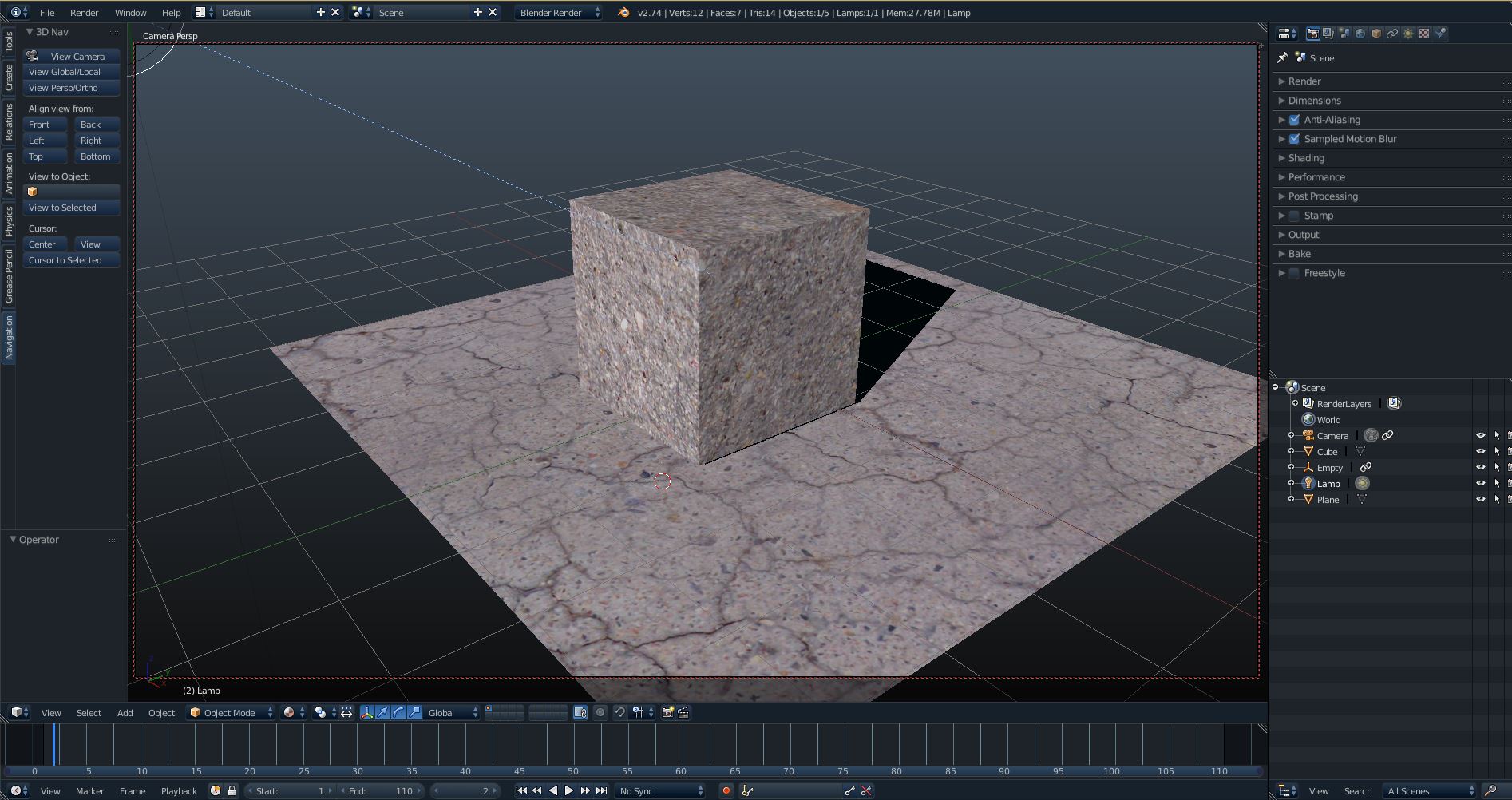
First, there really are a lot of similarities between the two apps, at least in the default layouts. Here are two images of both apps with a simple scene. Note that both apps have some sort of toolbars along the left side, as well as the familiar text menus across the top. Also both have the typical 3D View, and a sequencer along the bottom. And on the right hand side, both have an Instances (aka, “Outliner” in Blender) panel, and a “Properties” panel (same title in both apps). Visually, they look very much alike. And keep in mind that, for the most part, all 3D apps do pretty much the same thing, so you can expect Blender to have most of the same basic features as Carrara. The only challenge is finding how and where they are located and used. But really, with just a little familiarizing and tweaking, you should feel fairly comfortable with the Blender basics.
Carrara
Blender
Basic Differences
One of the problems is that Blender relies heavily on keyboard shortcuts. And that’s fine if Blender is your main software and you use it regularly. However, for someone who jumps around multiple apps on a regular basis, trying to remember keyboard shortcuts and different mouse operations is a huge pain in the butt. It annoys the heck out of me. So there are some limitations in how Carrara-like you can make it, since you need to use SOME keyboard shortcuts for common operations, but there are also ways around some of that. That being said, you can make Blender very similar to Carrara with just a few tweaks.
View Manipulation
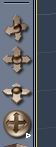
Now, IMO, the biggest difficulty that a new user will face when opening Blender is that there seems to be no easy way to pan/zoom/rotate the view. With Carrara there are those nifty icons on the left side toolbar. No matter what view you’re in, you just click on one of those buttons and you can easily move the view. With Blender there are no pan/zoom/rotate buttons. You need to use the mouse MMB and the shift/CTRL keys. To me that is the biggest counter-intuitive annoyance with Blender. But as far as I know, there is no way around it. So you’ll need to remember that you rotate by click/drag the MMB, pan with shift/MMB, and zoom by scrolling the mouse wheel. There is also a “fly” mode for navigating the scene, and I might discuss that later.
Selections
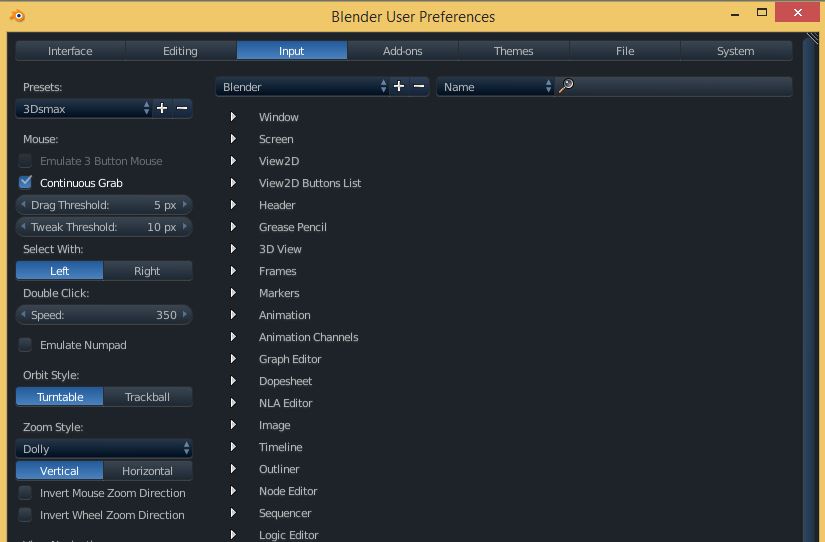
Now, the next big annoyance in Blender is that you select stuff with the RMB. And as we all know, the rest of the world selects stuff with the LMB. Luckily, there’s a way to change that. You can select a Maya or 3DSMax input preset. To do that, just go to File/User Preferences/Input, and the very first option is “Presets”. Just select 3DSMax (or Maya) from the dropdown. Personally, I use the 3DSMax preset because it also defaults the rotation to “turntable” (similar to Carrara) instead of the super annoying “trackball”.
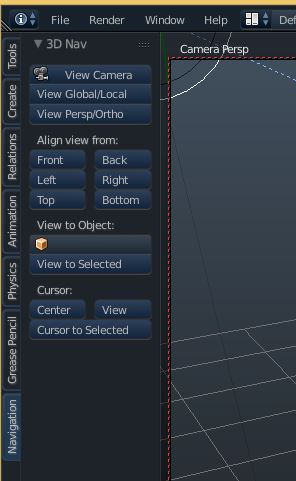
View to Selection Another Carrara feature I use constantly is the “View to Selection”, (shortcut: 0 key). Select an object, hit the “0” key, and no matter what view you’re in, it instantly centers your view on the object. I can’t survive without it. However, if you hit “0” in Blender you jump into Camera view. The correct key for “View to Selection” in Blender is the period key. So you have a couple of choices. Either you can re-map those shortcut keys to match Carrara (File/User Preferences/Input) or do what I do, which is use the vertical Navigation tab along the left side of the 3D view. There’s a button for “View to Selected”, as well as some other quick navigation buttons (including jumping to Camera View). Personally, I try to avoid re-mapping shortcut keys because it can get kind of confusing, especially when viewing others’ tutorials and stuff. And that brings up another point…
Shortcut keys
Blender is extremely customizable, so if you need to re-map any shortcut keys to be more like Carrara, you can probably do it (File/User Preferences/Input). In fact it would be cool if someone could sit down sometime and build a Carrara shortcut key preset file.
Camera View
Blender’s default is a rather insane notion that camera view manipulation is somehow different from other views. As an example, if you are in camera view mode and try to manipulate the camera’s view (rotate, translate, etc.), the view instantly jumps out of camera view and into User Perspective (similar to Director’s Camera) view. Which implies you can only manipulate the camera and its view by awkwardly manipulating the camera from an external view (by looking AT the camera, not THRU its lens), then jumping back to camera view to see if you got it right. Crazy. But thankfully, that was fixed a few years ago. Now all you have to do is select the camera, hit the “n” key, and under the “View” dropdown select the “Lock Camera to View” option.
Manipulators
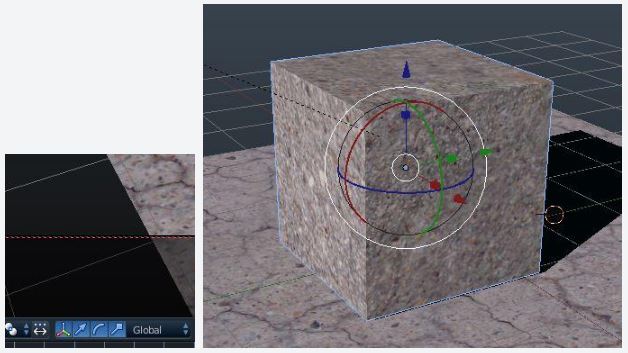
One thing I love most about Carrara and others is they had implemented the idea of object manipulators long before other apps. And I LOVE manipulators. You know, the translate/rotate/scale thingies that show up when you select an object. Blender now has those, like Carrara Universal Manipulator. You can choose to have all three manipulators appear simultaneously in Blender, like Carrara Universal Manipulator.
Just shift-select the manipulator buttons as shown below.
Summary so far
So, to summarize so far, here are my suggestions for Blender tweaks:
1. REMEMBER: Rotate view by click/drag the MMB, pan with shift/MMB, and zoom by scrolling the mouse wheel.
2. Select 3DSMax input preset
3. Use Navigation tab, “View to Selection”
4. Select each camera, hit the “n” key, and under the “View” dropdown select the “Lock Camera to View” option
5. Shift-select the manipulator buttons to have all manipulators appear simultaneously
Those suggestions should put you a lot closer to making your Blender interface more “Carrara-like”.
I’d also suggest you consider using another nice Blender feature, and that is saving a default scene. Once you have a simple scene set up as you like it, you can define that as the default scene that opens every time you start Blender. Set it up as a “Carrara-like” scene, maybe also with the types of lights and objects you use very often, and save that as default. You’ll feel a lot more comfortable next time you start Blender.
Carrara Shaders vs Blender Materials
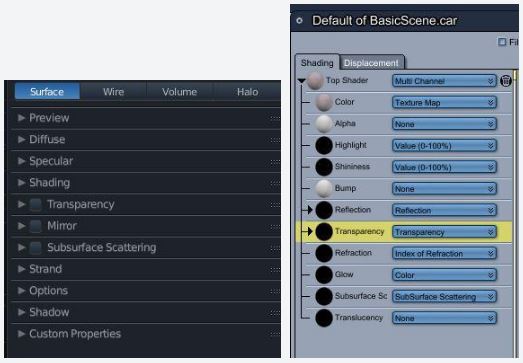
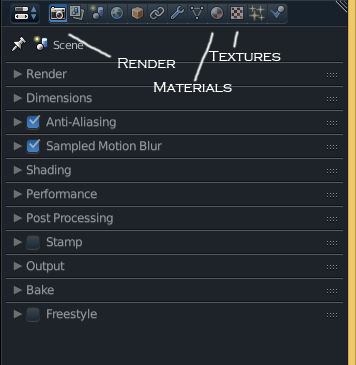
Another area that might appear confusing to Carrara users when trying out Blender is with “shaders”. Here are images of the Carrara Shaders tab and the Blender Materials tab.
Note that they are very very similar if you realize that the major difference is only with terminology.
Keep in mind:
Color is the same as Diffuse
Highlight/Shininess are the same as Specular
Reflection is the same as Mirror
Glow/Translucency are the same as Shading
and so on…
So when you select the Materials button in Blender’s Properties tab, its virtually identical to Carrara’s Shader tab. Well, except for some details regarding features, etc.
Textures
And a related area that might lead to some confusion is Blender’s “Textures” tab. This is very similar to the dropdown selections in Carrara’s shaders tab, such as to select external images or procedurals to map, or types of mapping (UV, etc.), and so on.
So Carrara shaders tab is kind of a composite setting area for all surface settings, while in Blender they are somewhat segregated by shading and texturing. But it’s all the same stuff.
Rooms I suppose the next area for consideration are Carrara’s “Rooms”.
There’s Assemble, Model, Storyboard, Texture, and Render.
Blender doesn’t have rooms, but it has icons and windows which do similar things. They’re just located in a different area, not along the top toolbar like in Carrara.
Let’s first take the Model room. Some may recall years ago when DAZ added the ability to directly edit objects in the 3D View, instead of in the Model room. Which was nice because you were editing the model as it was, not a non-scaled, etc., representation of the object in a separate room.
Blender’s modeller is similar, where you model directly in the 3D View. Just go to the toolbar at the bottom of the 3D View and select “Edit Mode” from the dropdown/dropup menu.
And once you enter Edit mode, the Tools tab on the left side contains a whole list of modelling/editing tools.
Carrara’s Render and Texture Rooms are similar to Blender’s Render and Materials/Texture panels. Those are accessed from the Properties panel on the right hand side of the screen.
Screen Layouts in Blender
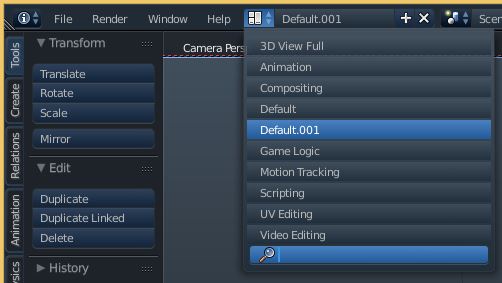
Now Blender does have its own form of Rooms, called “Screen Layouts”, and these are extremely useful and helpful things to be familiar with.
Basically, since Blender can have all of its windows customized, you can configure a screen layout based upon what function you’re performing at the time.
The default layouts are as shown in the image below: Animation, Compositing, Default, Game Logic, Motion Tracking, Scripting, UV Editing, and Video Editing.
So if, for example, you’re in the default startup screen, and decide you want to do some UV editing, just select the UV Editing screen layout and you’ll jump to a window layout that is pre-configured to do UV editing. Extremely useful, especially for new users who don’t know how to get to the tools you need for compositing, or video editing, etc.
I also highly recommend that if you have a screen layout you like and want to return to that you save it using the “+” button to the right of the dropdown list of screen layouts (see image above).
ESPECIALLY before you start experimenting with configuring your windows and screens. If you have a default 3D view that you like, hit the “+” key and it will be saved. Then you can start tweaking your windows. Keep in mind that it is VERY easy to get lost in a maze of window configurations with Blender, and suddenly you have a bunch of windows you can’t get rid of. Just jump back to the saved default layout and you’ll be fine.
Nodes (Blender)
Now that you have the basics of how to navigate and configure Blender to make it very Carrara-like, I’ll take a short side trip to discuss one area that is very important to consider when jumping to another app like Blender.
And that is NODES…
A node-based application can be extremely intuitive and flexible and efficient. I think it’s safe to say that once you’ve become familiar with nodes you’ll never go back… 🙂 🙂
And Blender makes use of nodes in a wide range of features, including
1. Configuring materials and textures
2. It’s internal node-based compositor
3. Working with render passes
4. etc…
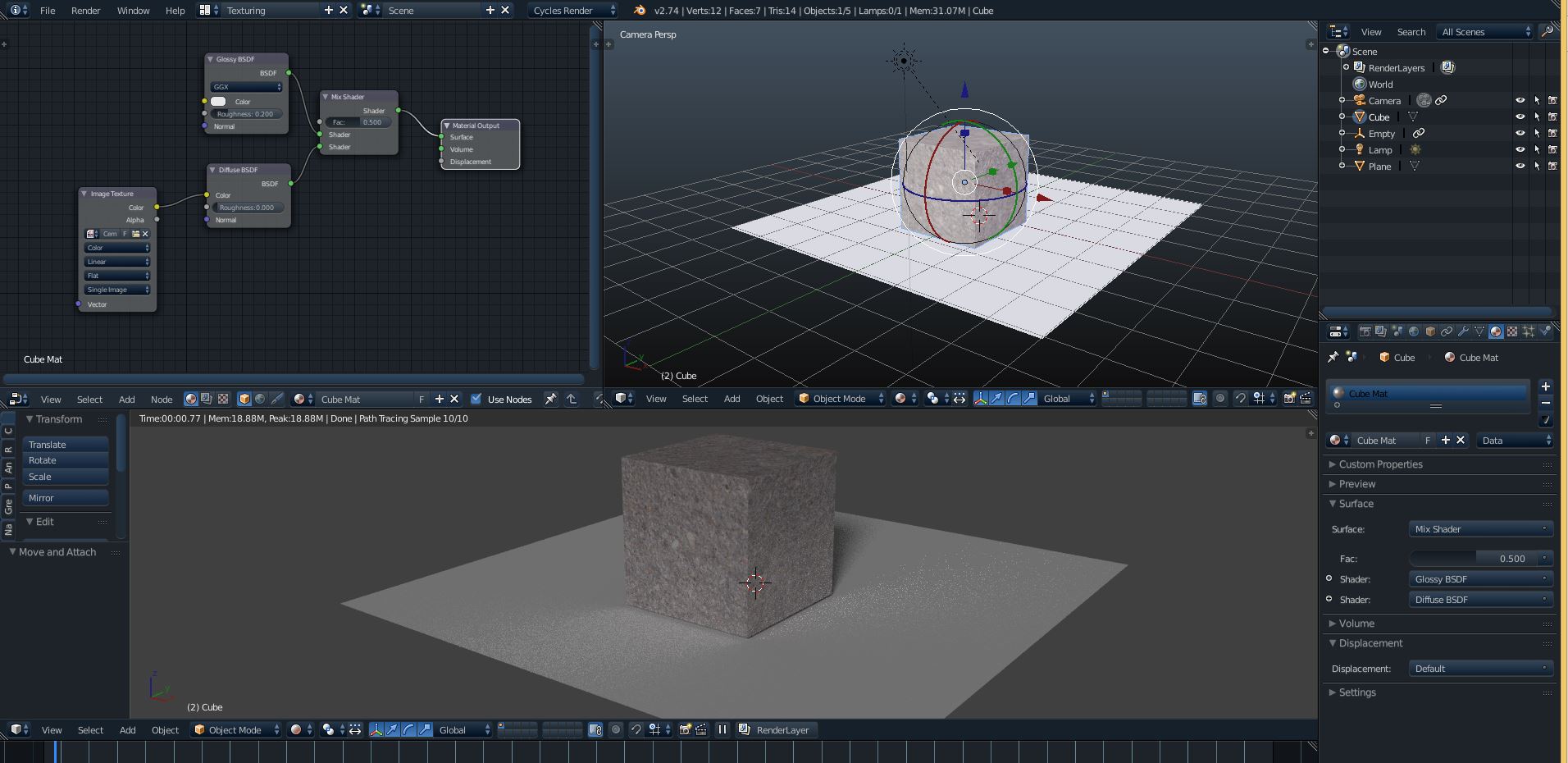
Blender actually uses a node-based approach for configuring materials/shaders and textures. And personally, I find it FAR more intuitive and efficient than Carrara’s shader room. Honestly, I never quite figured out how to do more than just simple shaders in Carrara’s shader room. To me the “shader tree” concept is very confusing when you start to get layered shaders…
I don’t think I’ll go into much detail on nodes, I’ll leave it up to anyone interested to pursue on their own. My only recommendation for those jumping over to Blender from Carrara is to keep in mind that if you’re not sure how to do something, nodes might be the answer. Especially with materials and the stuff I mentioned above.
Shader room in Carrara vs Blender Screen Layout
And to give you an idea of how awesomely nice the nodal material/texture features are, along with the physically based and realtime rendering of the Cycles renderer, together with the user-configurable “rooms” are, here is just one example of making a nodal texturing “room” (Screen Layout) that combines the node editor, a 3D View, and a realtime rendered view. Much much nicer than the shader preview in Carrara that always gives me fits and frustration…
So next time I want to apply nodal textures I just jump to my pre-configured Texture screen layout and I’m all set.
Loading files trick
Oh, and I almost forgot…
One user preference you MUST set is under “File”….make sure the “Show Thumbnails” is checked, so when you load a file you see the thumbnail image instead of the default list… 🙂
Blender features
For me, the exciting things about Blender are the following: Flames Smoke Fluids Soft Body/Cloth Dynamic Paint (eg., waves) Node based compositor Unbiased rendering Physically accurate materials Animation/rigging tools (expressions, etc.) Modelling/sculpting tools Camera tracking Video editing For the most part, with minor exceptions, none of those features exist in Carrara. And what is more surprising to me is how easy some of the more high-end features, such as smoke, flames, fluids, dynamic paint, etc., are to use.
Blender/Carrara integration
So I suppose the next step is to consider why you would want to integrate an app like Blender with your Carrara work, and how would you do it?
Well, I just gave a long list of “high-end” features that Blender provides but are not available in Carrara. Personally, I feel that Carrara’s strengths are in two areas: characters and content. But for the most part, I tend to generate my own content, so for me at least the big strength is characters.
So how do you integrate characters with all that other stuff you can get from Blender (or other apps)?
Well, one way is to do what the professionals do: film your actors in front of a green screen, then composite them later into the environment. The idea is to do your character work in Carrara, then using various techniques, export those results into a compositing app, and integrate those other elements which you generated in Blender.
In the other thread I generated on Compositing I give a number of ways you can do that using various techniques.
Blender/Carrara libraries
In thinking about where next to take this discussion or if I should even bother, I realized I overlooked a key strength of Carrara that is a relative weakness in Blender. And that is the extremely useful shader/object/etc. libraries, where you can just drag and drop saved stuff you’ve made before.
Blender doesn’t have that directly, but that functionality certainly does exist.
The concept in Blender is that you can easily pull stuff from other existing “scene” files (aka “.blend” files in Blender) via what’s called the “append” function. So one option is to save your materials in a “library” (.blend) file of materials, and append that library file to whatever scene you’re working on and just pull those pre-made materials as needed.
And since your materials are generally each going to be a group of nodes you’ve configured, you can save that group and place it in the library file.
And the same concept applies to anything else you want to save in a library.
Now there are some plugins out there that can help a bit with that process if you want, as well as some existing materials libraries that are available so you can start your collection. But for those interested in making Blender as easy to use as Carrara I’d strongly suggest you consider making a library of materials/shaders, objects, etc.
Nodes, in-depth (advanced users)
Okay, well I said I wouldn’t go into detail about nodes, but I’m bored, and I’m sure there are folks who haven’t yet jumped into node-based applications, so I’ll try to explain the differences and relative benefits. And Blender has a very nice nodal system, used for many different things, so if you’re going to use Blender as part of your workflow with Carrara, you’ll probably want to start understanding nodes and using them. It will make your Blender experience a whole lot easier and more flexible, IMO.
BTW it’s been a long time since I’ve used layer-based apps other than for some quick image modifications, so forgive me if I miss some stuff.
Let’s take an example, and compare say Photoshop (which is “layers and history based”) to a nodal compositing app which is, well, node-based.
Let’s assume you want to perform the following operations on an image:
Open a background image (a photo of a mountain range)
Blur that image for use as a background
Open a foreground image of a tree, which has an alpha channel so only the tree is visible
Apply a color correction to the tree
Save the image
Now, in Photoshop you open the image, then apply a blur filter, then make another layer and load the tree image, then apply a color correction layer, and save the image.
That’s a “layer-based” application. You stack image elements and operators as layers. And every operation you perform is listed in the “history”. It’s a bit like making lasagna. Just stack stuff in layers. And if you’re ready to put the lasagna in the oven, then decide you forgot to add ricotta cheese in the middle of the stack of lasagna, how do you fix that? Well, you unstack the layers of pasta, add the cheese in the middle, and re-stack them. A layer-based approach is kinda-sorta like that. But not quite.
Now, lets say you don’t like the blur you did in step 2. How do you undo it? Well, you step back in your History to step 2, which is the Blur step. However, that undoes all of the steps after that (like loading and color correcting the tree).
Of course, you can get around that, but the basic concept of a layer-based approach is for relatively simple modifications on individual images. It’s not real flexible.
Now, let’s look at a node-based app. How would you do the same operations?
Well, a key concept to understand is that every operation you can perform on your image (or sequence) is an individual, modifiable block, also known as a “node”. And you can connect each node/operation to any other node just by dragging a connecting line from the output of one to the input of another. The “flow” of operations is defined not by a rigid, step-by-step history, but by an easily modifiable and flexible diagram showing the connections of all the nodes. And it’s very easy to modify how the operations “flow”…you just reconnect the nodes to perform the way you want.
So how would you do the same thing with nodes?
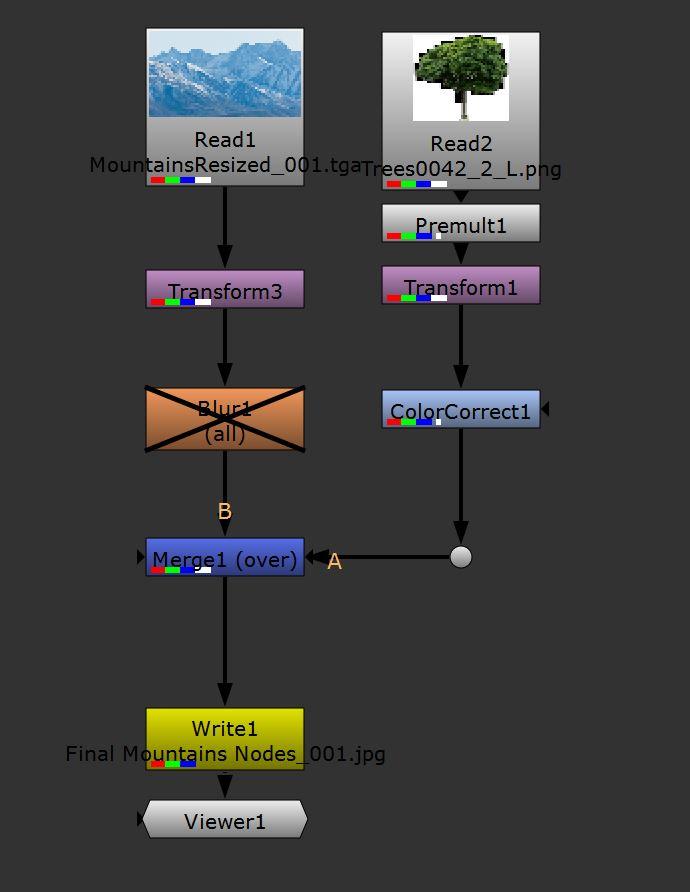
Place a Read node, and tell it to read your background image
Place a blur node and connect the Read node to the blur node so that the blur operates on that image
Place another Read node, and tell it to load your tree image
Place a color correction node, and connect the tree Read node to the color correction node
Place a Mix (or Merge) node, and connect the blurred background to one input, and the corrected tree to the other, and tell the node how to merge the two images
Place a Write node, connect the results from the Mix node, and tell it to write the final results to a file
Now, while both processes might seem fairly similar so far, let’s now say we want to get rid of the blur on the background. With the layers based approach you have to step back in History to before the blur, and thereby you lose all operations after the blur. But with a node-based approach, all you do is select the blur node and disable it with a single keystroke.
Or let’s say you want the same color correction to apply to both the foreground tree AND the background mountain range? With the node-based approach you merely connect both images to the color correction node by dragging a line from one node to the other.
Using our lasagna analogy, a node-based approach is a bit like having an “add ricotta cheese” node placed inside your stack of lasagna. You don’t have to unstack those messy layers of cheese and pasta and meat sauce, you just access the “add ricotta cheese” node and it does it for you.
Here are the final image, and the nodes used to obtain the final image. You can ignore the “premult” and “transform” nodes if you want…they are just there to allow me to move and resize each image for composition purposes, and the premult is to, well, premult the image.
Nodes principle
As with many things in 3D, the difference between apps may not necessarily be in how much better your final image looks with some apps compared to other apps. Often, the difference in features is more about how quickly and efficiently and intuitively you can perform the tasks you need to perform. And for the most part, that’s the difference between a layer based and node based approach.
When doing complex stuff that requires many operations and many images, you want an app that makes that stuff quick and easy to perform.
So is a node based approach “better” than a layer based approach? Well, for some the answer is definitely YES. For others, a layer based approach is fine for the work they do.
But in any case, like I said, with Blender a node based approach is used for a number of tasks, so it’s probably a good idea to at least become familiar with the approach so you can be competent in both.
Con la creciente popularidad de los casinos en línea, Casino Barcelona ha logrado destacarse con su atractiva oferta digital. Este artículo te guiará a través de todo lo que necesitas saber para aprovechar al máximo tu experiencia en Casino Barcelona Online.
Introducción a Casino Barcelona Online
El Casino Barcelona es conocido por ser uno de los establecimientos de juego más prestigiosos de España, y su paso al mundo en línea mantiene esa reputación. La plataforma online no solo ofrece los clásicos juegos de casino, sino también una experiencia completa que combina la emoción del juego con tecnologías modernas. En este contexto, los jugadores pueden disfrutar de una amplia variedad de juegos con la comodidad de hacerlo desde cualquier lugar.
El sitio web está diseñado para ser accesible tanto para jugadores novatos como para los más experimentados. Esto se refleja en su interfaz intuitiva y en la manera en que los juegos están organizados, permitiendo que cualquier usuario pueda encontrar fácilmente lo que busca.
Variedad de Juegos Disponibles
Uno de los mayores atractivos de Casino Barcelona Online es su amplia gama de juegos. Desde tragamonedas hasta juegos de mesa tradicionales, hay algo para todos los gustos. Las casino barcelona slots son particularmente populares, ofreciendo una variedad de temáticas y características especiales que mantienen a los jugadores entretenidos.
Para los aficionados a los juegos de cartas y la ruleta, el casino en línea ofrece versiones digitales que recrean la sensación de estar en un casino físico. Este aspecto es ideal para aquellos que buscan una experiencia de juego más realista.
Bonos y Promociones
Las promociones son una parte esencial de la experiencia en el casino online. El Casino Barcelona ofrece una serie de bonos de bienvenida, promociones semanales y un programa de fidelidad que recompensa a los jugadores habituales. Estos bonos pueden incluir giros gratis en las slots o crédito adicional para jugar.
Entender los términos y condiciones de estos bonos es crucial para maximizar su potencial. Los requisitos de apuesta y las limitaciones en los juegos que pueden ser jugados con los bonos son aspectos importantes a considerar.
Experiencia de Usuario en la Plataforma
La experiencia de usuario es un pilar fundamental en Casino Barcelona Online. Su diseño responsivo asegura que el sitio sea accesible desde cualquier dispositivo, incluido móviles y tabletas, proporcionando flexibilidad para los jugadores que prefieren jugar sobre la marcha.
La navegación es sencilla, con un menú claro que permite a los usuarios desplazar rápidamente entre juegos, promociones y servicios de asistencia al cliente. Esto hace que el tiempo en el sitio sea más placentero y menos frustrante.
Seguridad y Legalidad
La seguridad es una prioridad en Casino Barcelona. La plataforma está licenciada y regulada por las autoridades de juego españolas, lo que garantiza que opera bajo estrictos estándares de seguridad.
Los usuarios pueden estar tranquilos sabiendo que sus datos personales y financieros están protegidos con tecnología de encriptación de última generación. Además, se promueve el juego responsable con herramientas que permiten a los jugadores establecer límites en sus cuentas.
Aplicación Móvil de Casino Barcelona
La casino barcelona app permite a los jugadores acceder a sus juegos favoritos desde dispositivos móviles. La aplicación es gratuita y está disponible para sistemas iOS y Android. Ofrece una experiencia de usuario optimizada, con todas las funciones del sitio web adaptadas a una interfaz táctil.
Además, la aplicación asegura que los jugadores no se pierdan ninguna promoción ni bono, ya que ofrece notificaciones en tiempo real.
Opciones de Pago
El barcelona casino online ofrece varios métodos de pago que facilitan el depósito y retirada de fondos. Entre las opciones disponibles se encuentran tarjetas de crédito y débito, transferencias bancarias, y monederos electrónicos como PayPal y Skrill.
La diversidad de métodos permite a los jugadores elegir aquel que mejor se adapte a sus necesidades, asegurando transacciones seguras y rápidas.
Atención al Cliente
Una parte fundamental de la experiencia de usuario es el servicio de atención al cliente. Casino Barcelona Online ofrece soporte a través de chat en vivo, correo electrónico y teléfono. El personal está disponible para ayudar con cualquier problema o consulta, asegurando una asistencia eficiente y amigable.
El tiempo de respuesta suele ser rápido, y el equipo de atención al cliente está capacitado para manejar una amplia gama de consultas, desde problemas técnicos hasta preguntas sobre los juegos.
Preguntas Frecuentes
¿Cómo puedo registrarme en Casino Barcelona Online? Visita el sitio web oficial y completa el formulario de registro con tus datos personales.
¿Qué tipos de juegos están disponibles? Ofrecen una amplia gama de juegos, incluyendo slots, juegos de mesa y casino en vivo.
¿Es seguro jugar en línea con Casino Barcelona? Sí, el casino está licenciado y utiliza tecnología de encriptación para proteger a los usuarios.
¿Hay una aplicación disponible para móviles? Sí, hay una aplicación para iOS y Android que puedes descargar gratis.
¿Qué métodos de pago aceptan? Se aceptan varios métodos, incluyendo tarjetas, transferencias bancarias y monederos electrónicos.
¿Cómo funcionan los bonos de bienvenida? Generalmente requieren un depósito y vienen con condiciones de apuesta que debes conocer.
Tabla de Opciones de Juegos
Tipo de Juego
Descripción
Slots
Disponibles en diferentes temáticas y con características especiales
Póker
Variantes como Texas Hold’em y Omaha
Ruleta
Incluye ruleta europea y americana
Juegos de Cartas
Blackjack, Baccarat y más
Casino en Vivo
Interacción en tiempo real con crupieres
Conclusión
Casino Barcelona Online ofrece una experiencia de juego robusta y diversificada para sus usuarios, con opciones que satisfacen tanto a jugadores ocasionales como a grandes apostadores. Gracias a su amplia oferta de juegos, promociones atractivas y sólidas medidas de seguridad, la plataforma se consolida como una opción destacada en el mundo de los casinos en línea. No importa si estás en casa o en movimiento, Casino Barcelona promete una experiencia de entretenimiento incomparable.
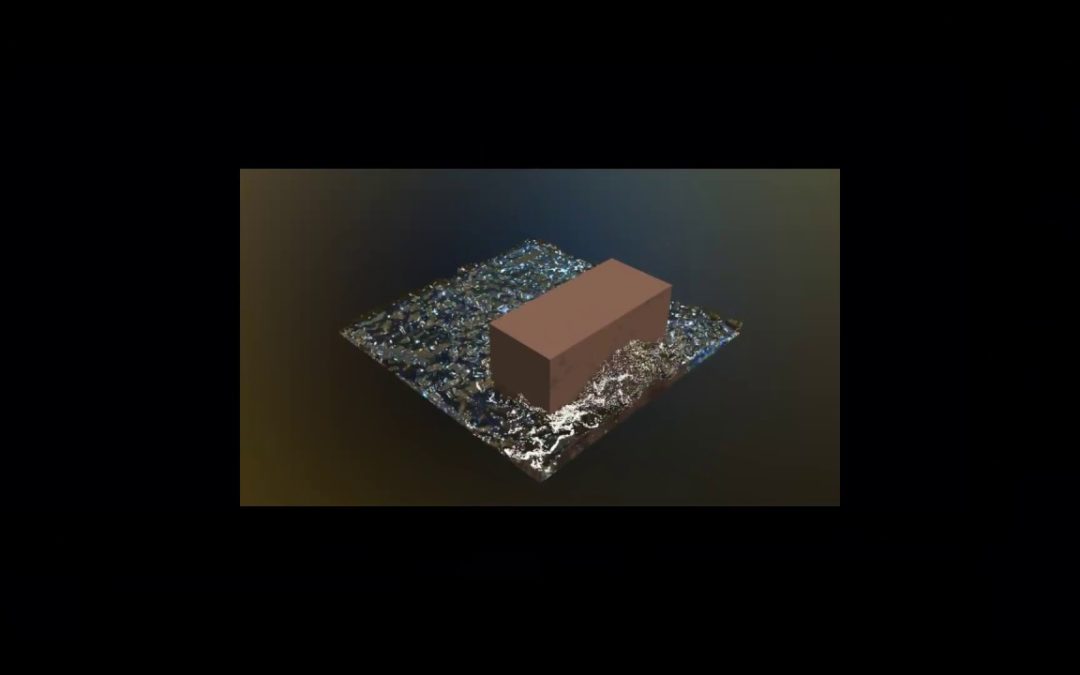
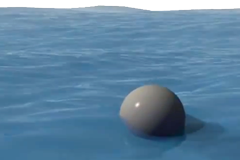
The fluid simulation plugin for Carrara, FLUIDOS 1.4, is released now for both Windows 32&64bit and Mac since v1.4.
A free christmas present by Alvin Bémar at ShareCG: https://www.sharecg.com/v/90155/view/9/Plug-in/Fluidos.
Includes a detailed and updated manual, several test scenes and support for some AMD or NVIDIA graphics cards for acceleration.
Version 1.00 was released 2017-12-24.
Version 1.01 was released 2017-12-26, update if you got FLUIDOS early due to a bug.
Version 1.1 was released 2018-01-24 with the following change log: -Now, the depth in hierarchy is unlimited. Anything can be parented inside the Fluid Domain at any level. -Fluid Domain can be scaled using Overall (or its equivalent in Scale tool). -FluidS now can resize the diffuse particles (the default is 1.0) -A Range force slider allows to “thicken” the extent of the surface forces to one or two cells away the solid (default is one). -The user could now turn off OpenCL. -It was implemented three more GridFluidSim3d diffuse particles features: maximum lifetime, wavecrest emission rate, turbulence emission rate. The default values are the current ones in Fluidos 1.01 -The manual is updated. -Some bugs fixed.
Version 1.2 was released 2018-04-27 with the following change log: -Viscous fluids simulation available.
-Some advanced features are now available.
-FluidS modifier is faster.
-The triangle diffuse particles geometry is fixed.
-Triangle particles can be oriented to camera now.
-A memory leak in FluidS was fixed.
-And some other bugs was fixed.
-The updated manual explain details. I add two scenes in the files. In addition, there is a template for texture maps in shaders for the diffuse particles triangles.
-The version is for Windows 64 and 32 bits too.
Version 1.3 was released 2018-07-21 with the following change log:
-Faster and less memory needed for objects only partially inside the Fluid Domain
-Added an adjust factor for high precision viscosity simulations.
-The smoothing is better in the interfaces liquid-solid when there are curved obstacles (smooth the “stairs”).
-Expanded the limits of particle emission rates sliders and Smoothing iterations.
-Reduced the limits of Particle jitter factor to avoid crashes,
-Reorganized the Fluid Domain parameters tab.
-Added functionality for animated solids (they can push fluid now).
-Added functionality for spatially variable viscosity Bugs fixed:
-Flow force didn’t work in many scenes.
-Point force didn’t work properly as square inverse (this was a subtle bug).
-If an obstacle with a surface force was initially outside the domain, the plugin stops with an error when the obstacle reaches the domain.
-Every second frame, the body forces (gravity) were applied two times.
-If the chosen preferred device was CPU and the simulation was stopped and resumed, the device automatically was changed to GPU.
-Diffuse particles simulation sometimes could crash the plugin.
-CFL condition number didn’t work properly
Version 1.4 was released 2019-01-08 with the following change log:
New Features:
Anything is source: any object can be a source (or a sink).
Cuboid source and Anything is source can be spatially discontinous.
The OpenCL simulations are around 30 % faster.
The simulations can use presets.
Line forces.
Spatially variable viscosity now with viscosity controls.
New options for objects parented to Fluidos Domain (viscosity control and ignored).
Support also for MacOS 64 bits.
Fixed these bugs:
Some graphics cards were incompatible with the plugin.
Diffuse particles quantity sometimes decreases during simulation and, then, suddenly increases to limit in one frame.
Positive surface forces were insensible to intensity.
Simulations with moving obstacles enabled, sometimes are unstable (disproportionate turbulence, explosions, etc.)